
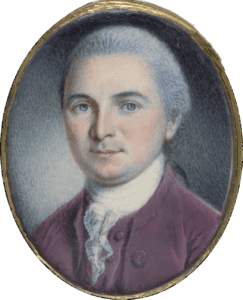
Explore the life and legacy of George Walton, a man whose journey began far differently from most of the founding generation. Orphaned at a young age, he rose through the ranks to become a leading voice for the Revolutionary cause. This timeline traces his path—from his dedicated military service and time as a prisoner of war to his pivotal role in the Continental Congress, where, at just 26 years old, he became a signer of the Declaration of Independence. Follow the key moments that defined his family life and his enduring contribution to American history.
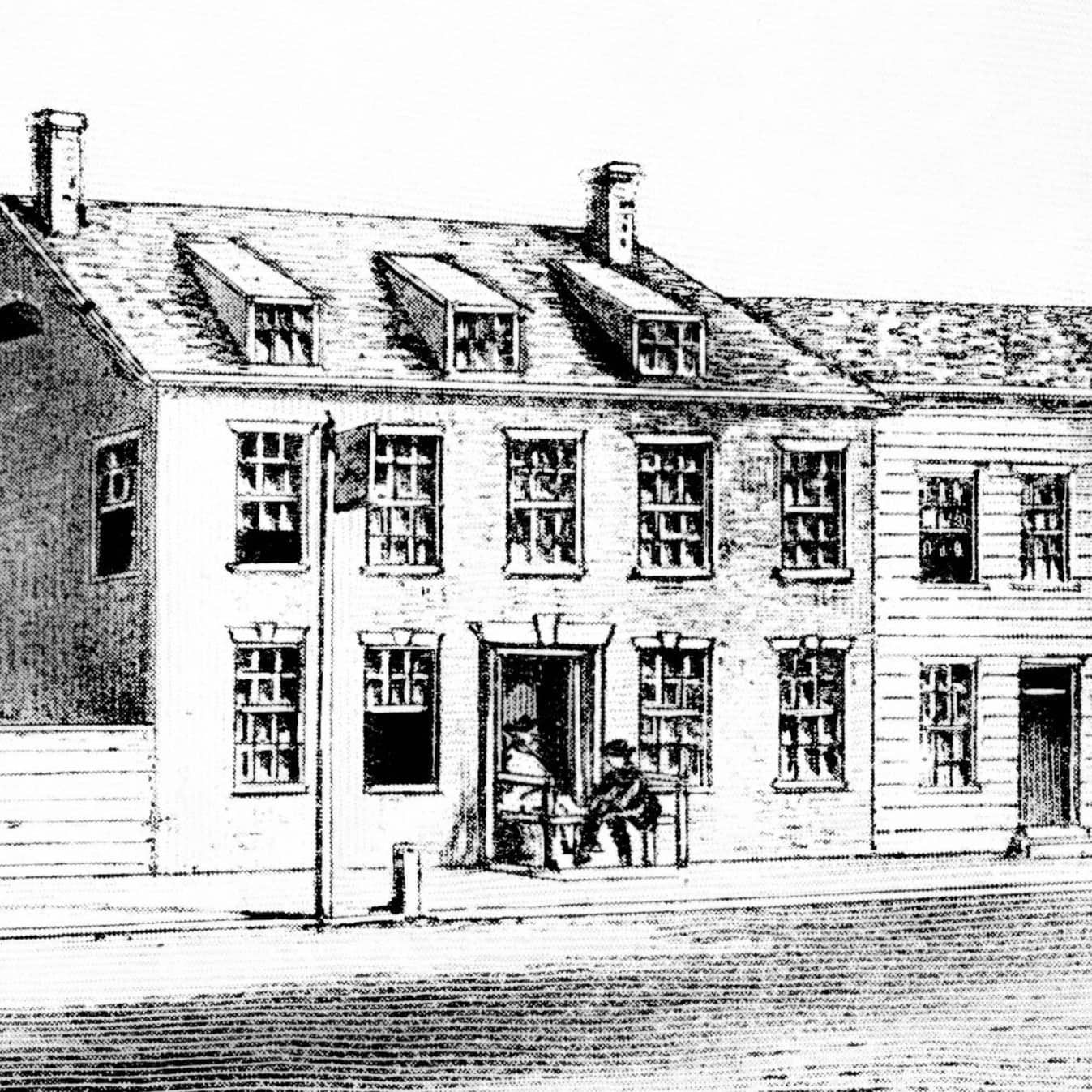
“You will permit us most earnestly to recommend to you a steady perseverance in the cause of Liberty, and that you will use all possible caution not to say or do anything unworthy of so glorious a cause; to promote frugality, peace and good order, and in the practice of every social and religious duty, patiently to wait the return of that happy day, when we may quietly sit under our vine and fig-tree, and no man make us afraid.” From THE ADDRESS OF THE COMMITTEE APPOINTED BY THE PROVINCIAL CONGRESS
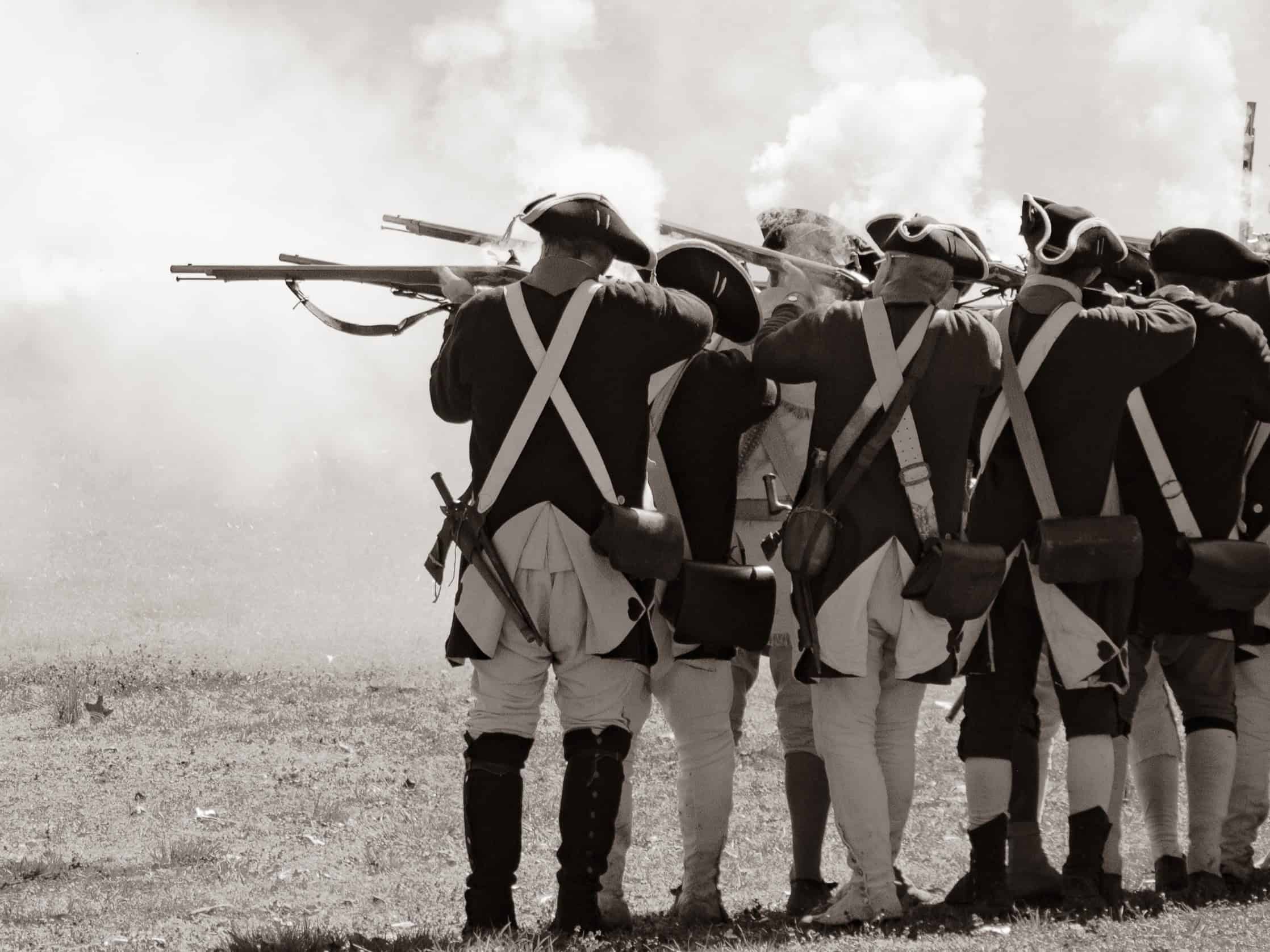
The Council proceeded to the election of a President by ballot, when George Walton, Esq., was found to be duly elected and took his seat accordingly. From the Revolutionary Records of the State of Georgia, Vol. I
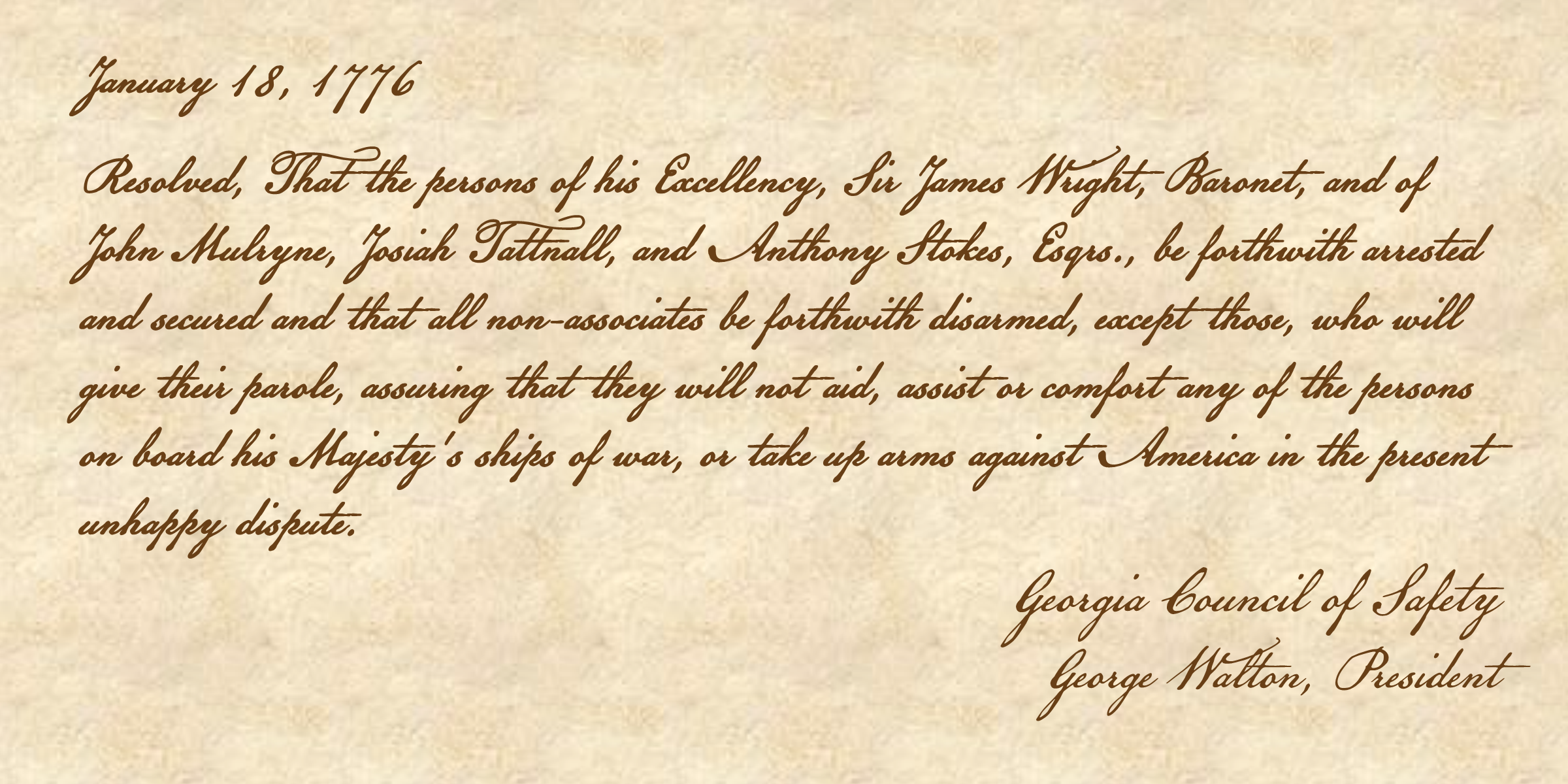
Just one month after George Walton becomes president, the Council of Safety resolves to arrest the royal governor. In this move, Georgia declares it’s own independence from British rule.
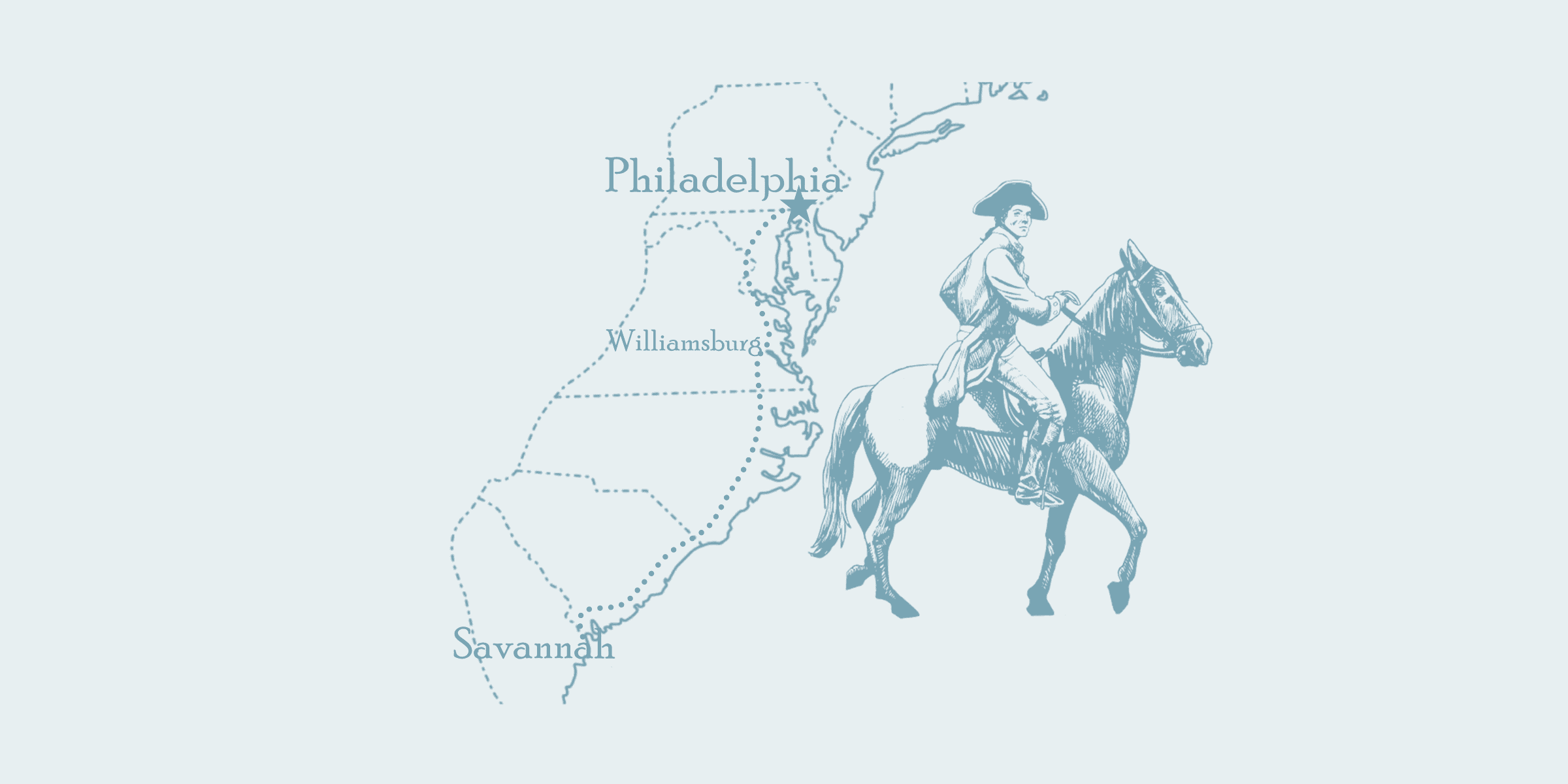
On May 1, George Walton receives a letter from Lachlan McIntosh to deliver to Button Gwinnett. Walton would also carry a letter from Archibald Bullock to John Adams, which he would deliver to him in Philadelphia on June 29. From Walton’s own correspondence, we know he spent time in Williamsburg along the way, where he worked to recruit troops for Georgia.
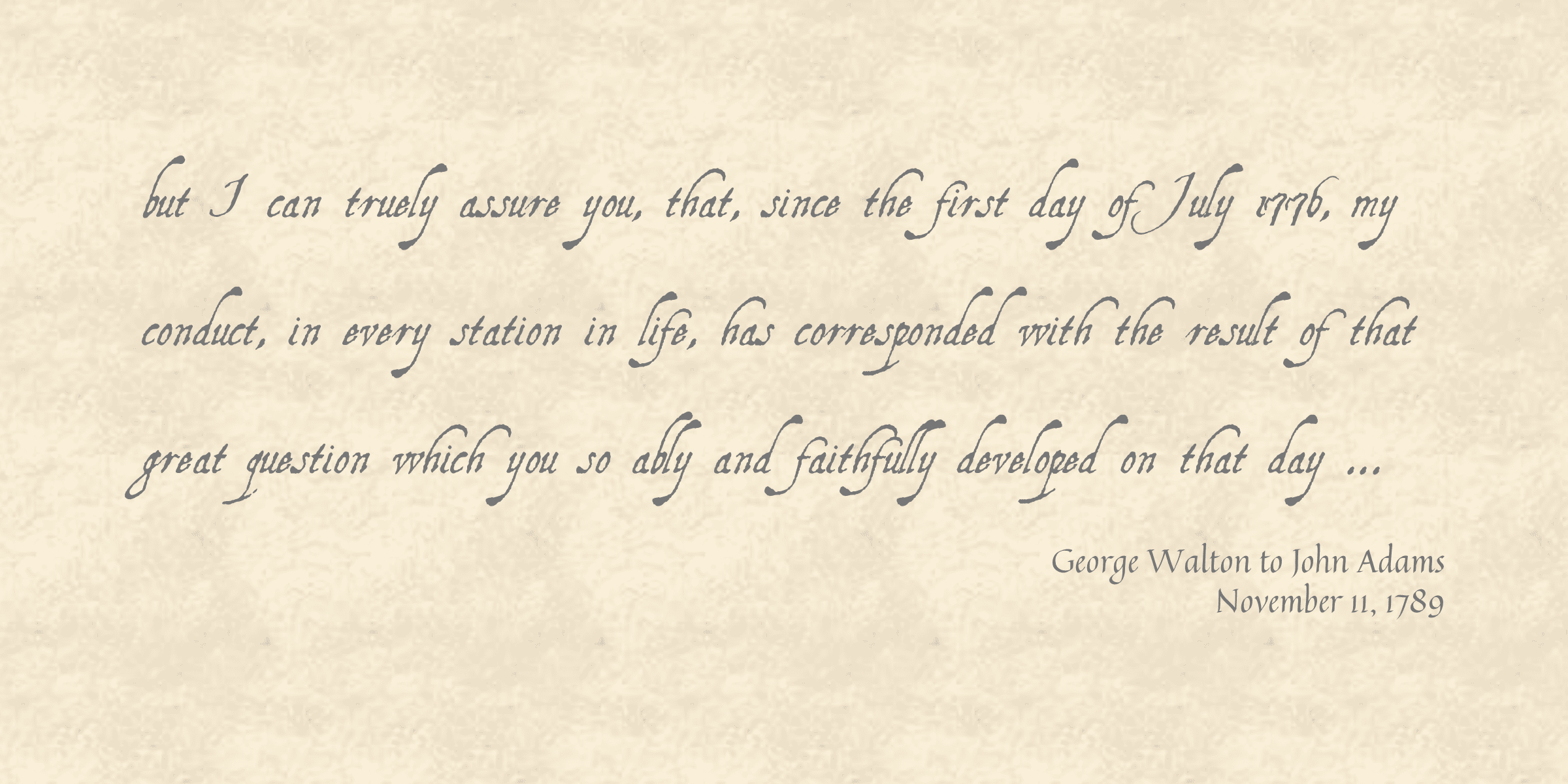
In a letter to John Adams, many years later, George Walton recalls how inspired he was by Adams’ speech in the Congress on July 1, 1776.
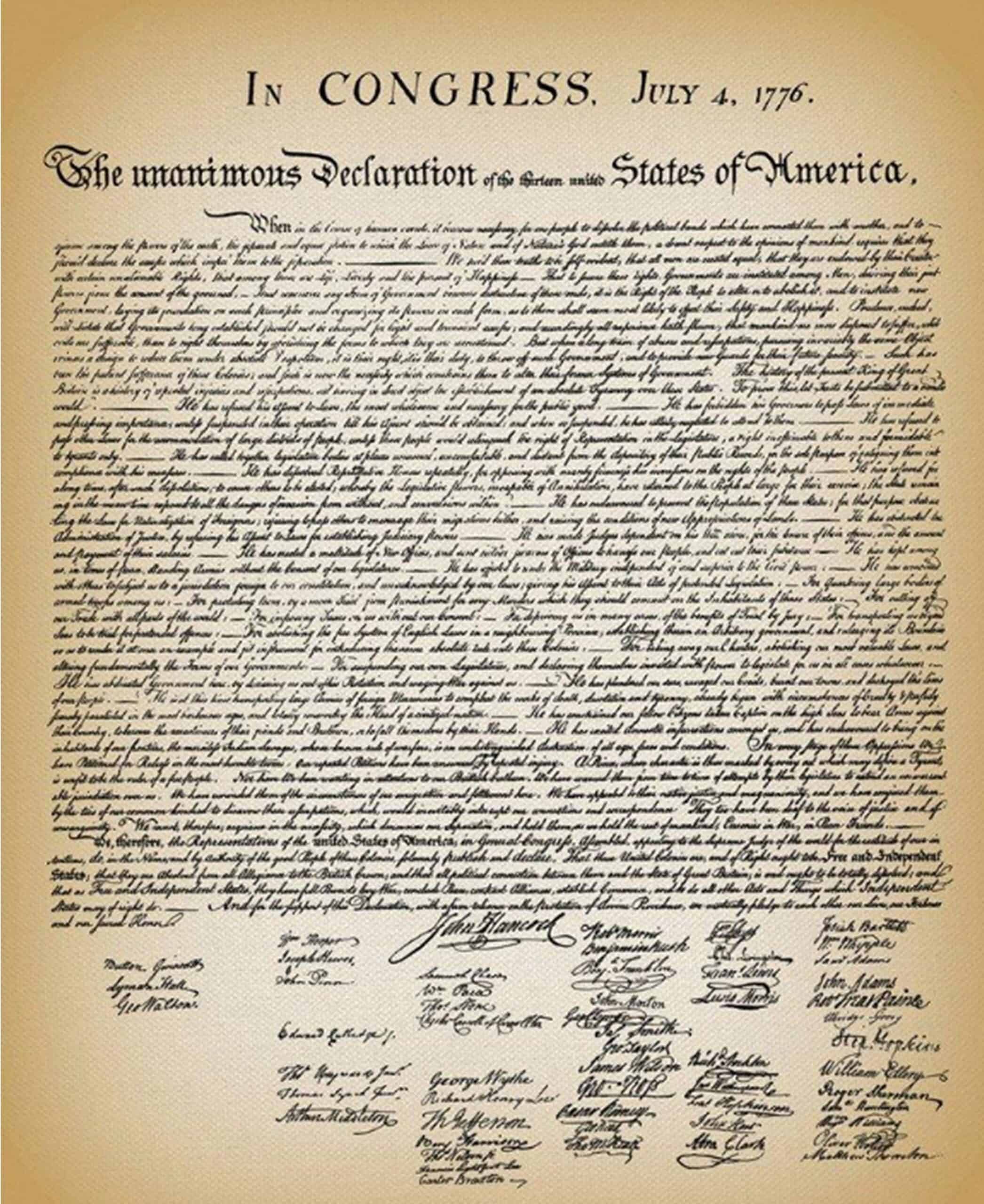
The delegates to the Second Continental Congress sign the engrossed copy of the Declaration of Independence.