
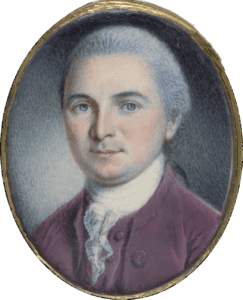
Explore the life and legacy of George Walton, a man whose journey began far differently from most of the founding generation. Orphaned at a young age, he rose through the ranks to become a leading voice for the Revolutionary cause. This timeline traces his path—from his dedicated military service and time as a prisoner of war to his pivotal role in the Continental Congress, where, at just 26 years old, he became a signer of the Declaration of Independence. Follow the key moments that defined his family life and his enduring contribution to American history.
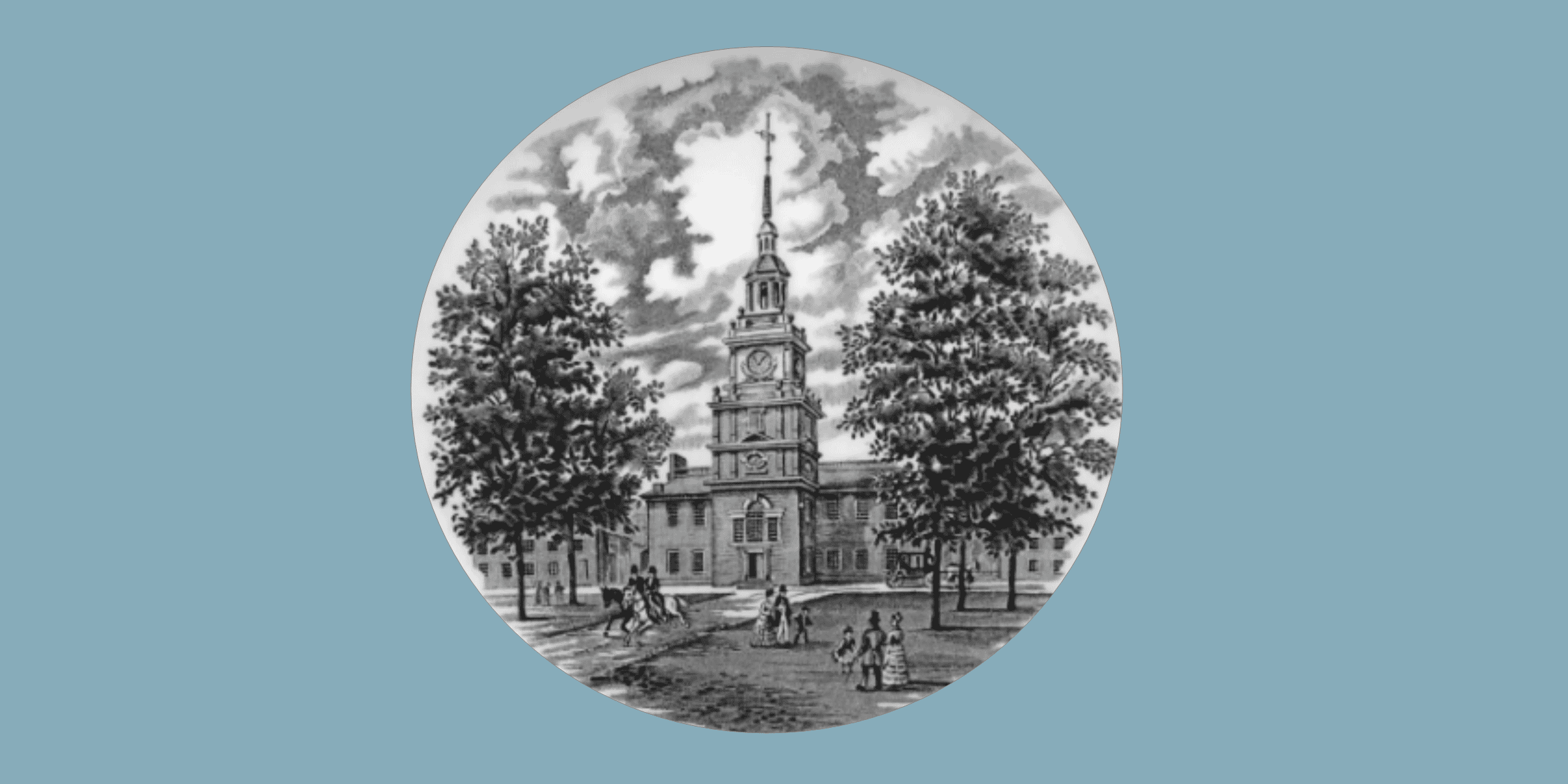
After signing the Declaration of Independence, George Walton spent his Christmas in Philadelphia. With British forces closing in, the Continental Congress adjourned from Philadelphia for safety on December 12 and reconvened in Baltimore on December 20. Three delegates remained behind: George Walton, Robert Morris, and George Clymer. The men were appointed as a Special Committee to Execute the Necessary Business of Congress in Philadelphia.
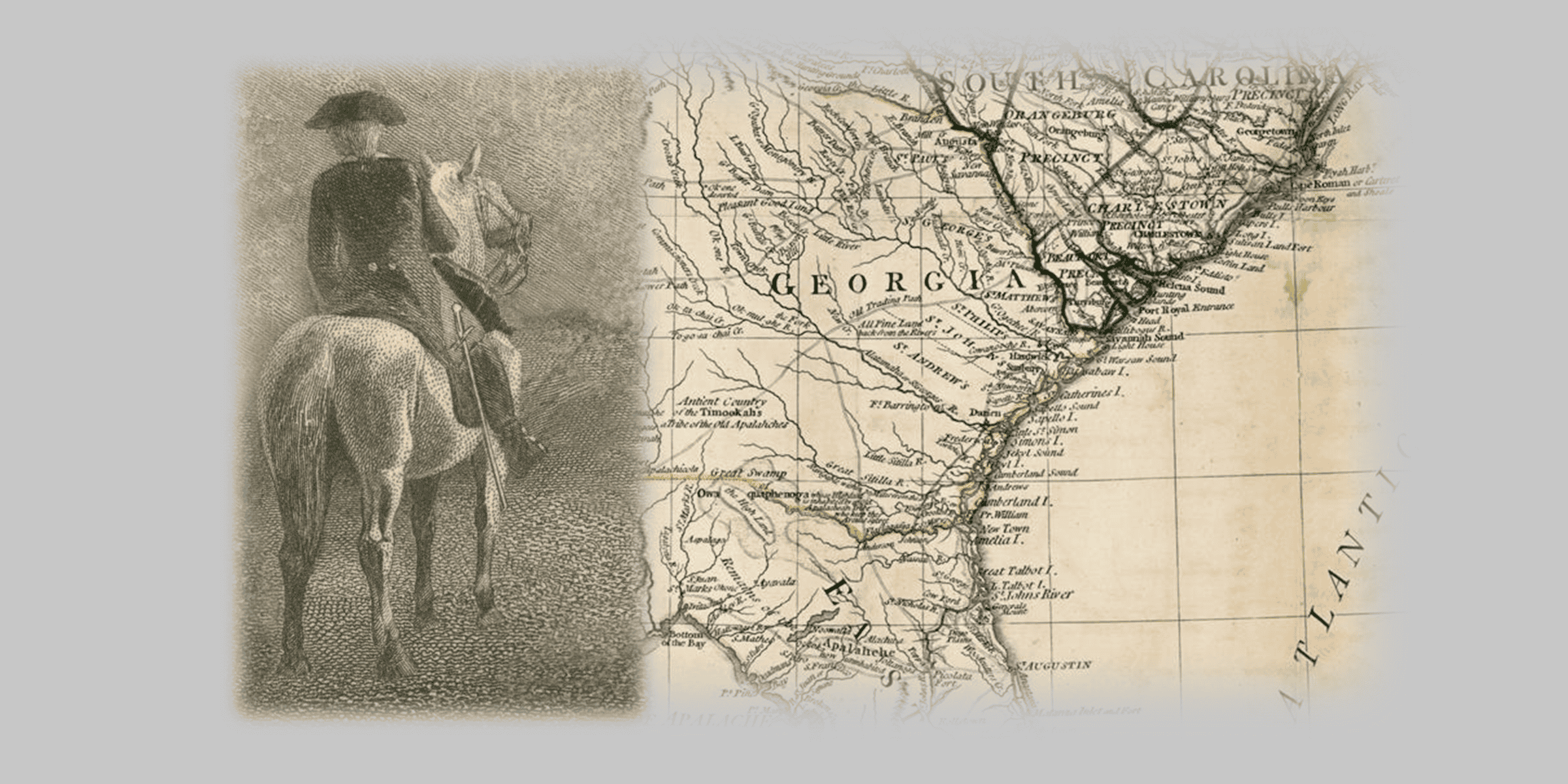
Late in 1777, George Walton would return from Philadelphia to Savannah. Through the next months, he would restart his law practice, be made a Colonel in the Georgia Militia, purchase a house on Heathcote Ward – what is now Telfair Square – and marry Dorothy Camber.
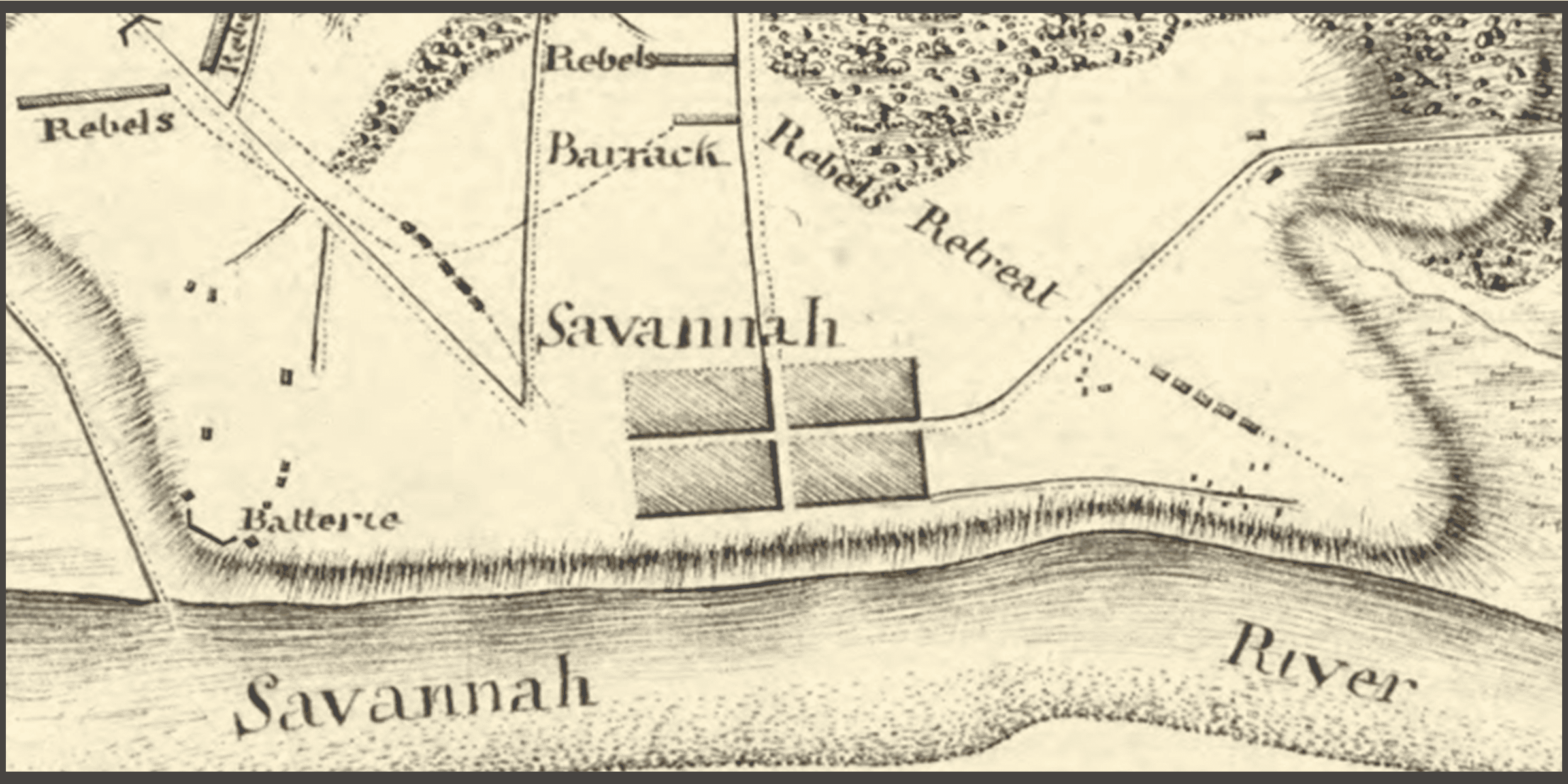
During the Christmas season in 1778, more than 3,000 British soldiers under Lieutenant Colonel Archibald Campbell approached Savannah by sea. George Walton was a Colonel with the Georgia forces of not much more than 800 men under American Major General Robert Howe. In the battle, Col. Walton is shot in the leg then captured by the British. He is held as a prisoner of war at Sunbury for 10 months.
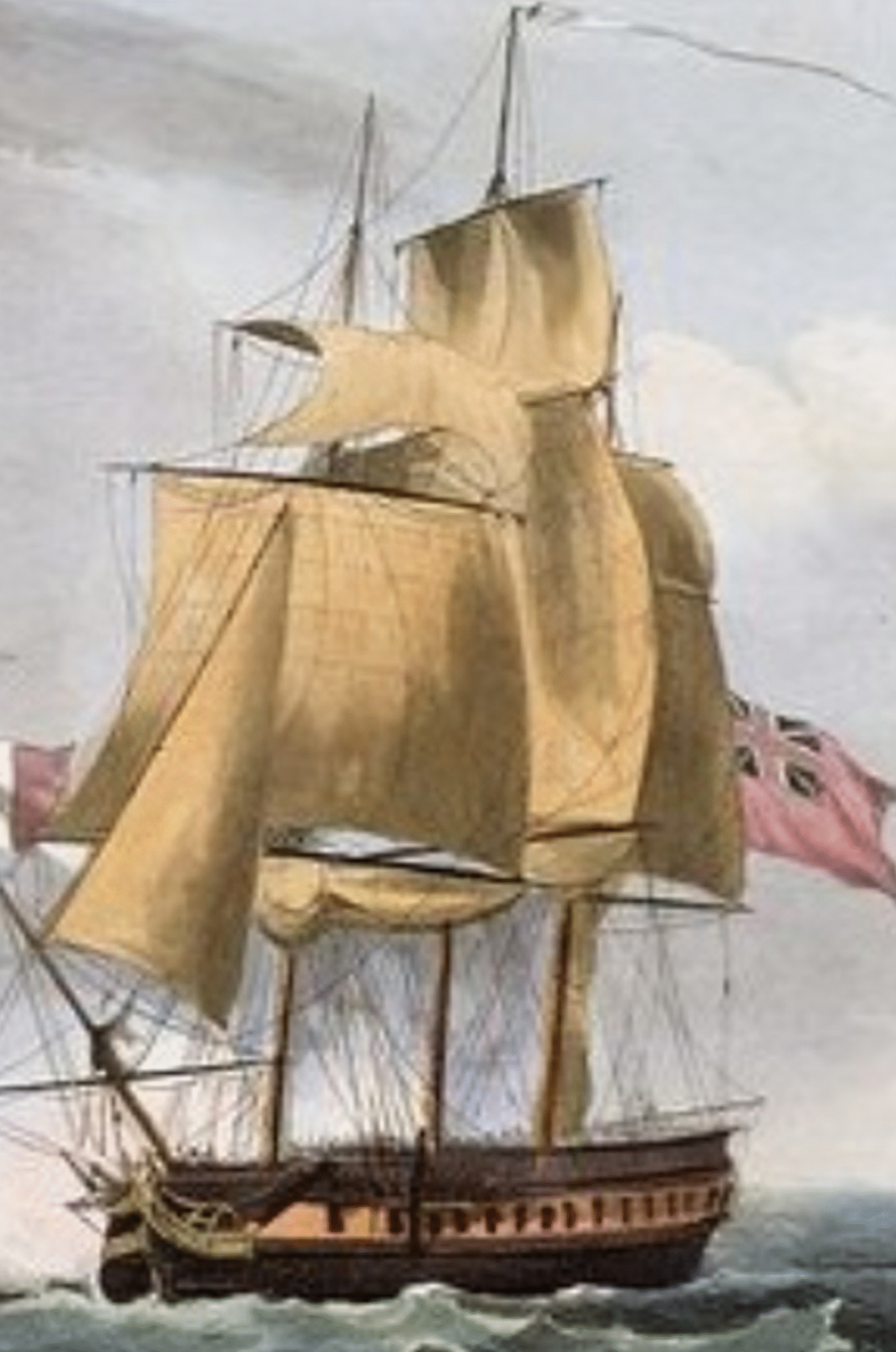
With Savannah under British control, George Walton arranges to send his wife Dorothy to go by sea to Charleston to stay with family, probably her older sister Mary Camber Brisbane. With Dorothy is an enslaved woman named Cloe; Cloe’s infant son Charlie; and another enslaved woman, Clarissa. The first night at sea, the ship encounters a storm, which badly damages the ship. Dorothy’s ship was then captured by the British Frigate Guadeloupe. By a later account, Dorothy Walton “bore all her troubles with the greatest fortitude.”
The British inform Gen. Lincoln that Col. Walton had been exchanged and is no longer a prisoner of war. Earlier in August 1779, the Continental Congress had appropriated $500,000 for the pay of Georgia troops with the instruction that the money be provided to the Governor and Executive Council of Georgia as “established agreeable to the Constitution” of the state. After his release, Gen. Lincoln sends Col. Walton to Augusta to call the legislature in accordance with the new State’s constitution.
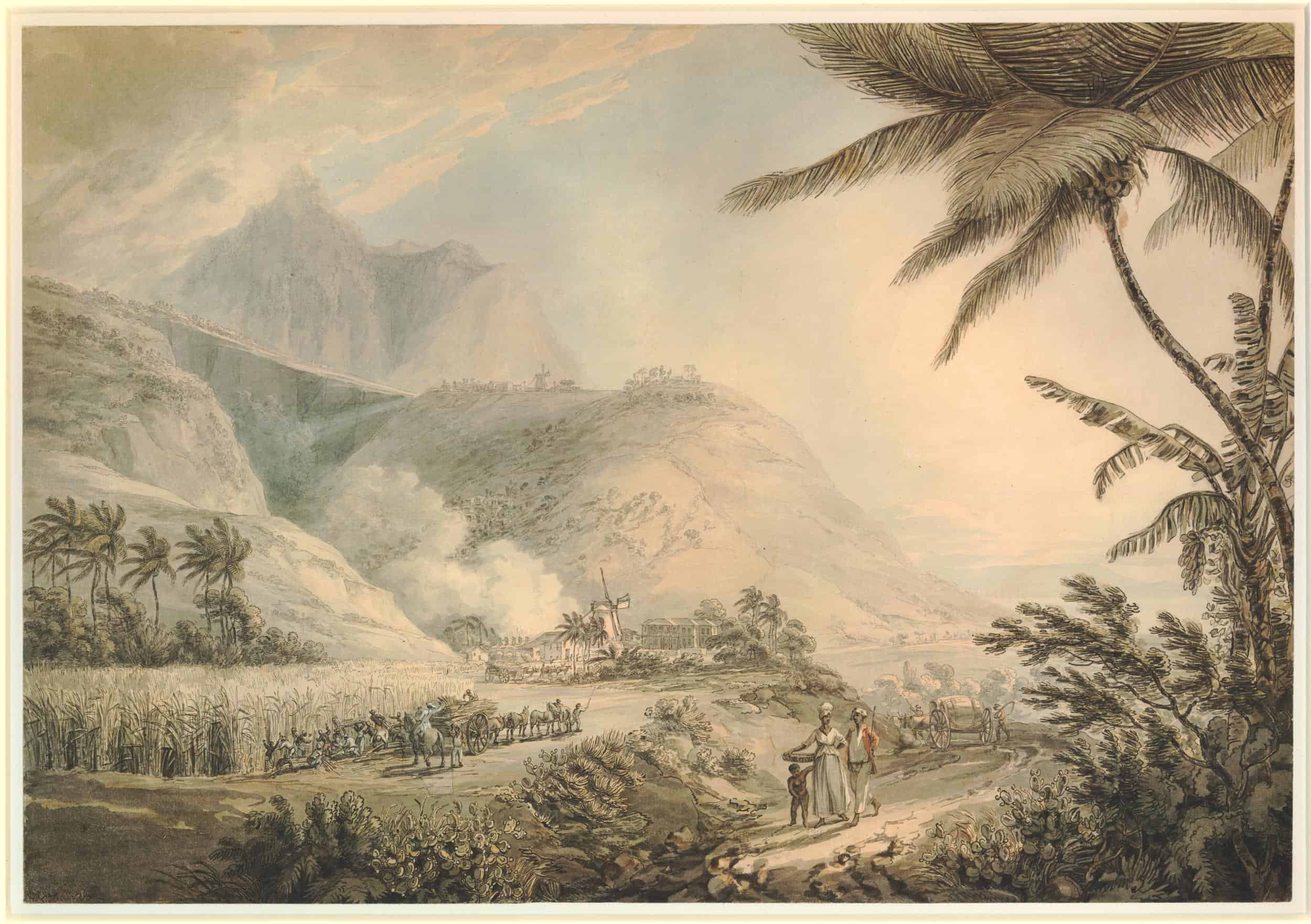
As Governor Walton navigates the twists and turns of politics in early Georgia, he must have also worried for the fate of his young wife Dorothy. On November 18, 1779, Thomas Morris wrote a letter to George Walton, which he probably would have received weeks later during the Christmas season. Morris tells that Mrs. Walton had been taken by the British to St. Johns in Antigua where she ‘awaited efforts to secure her freedom.’
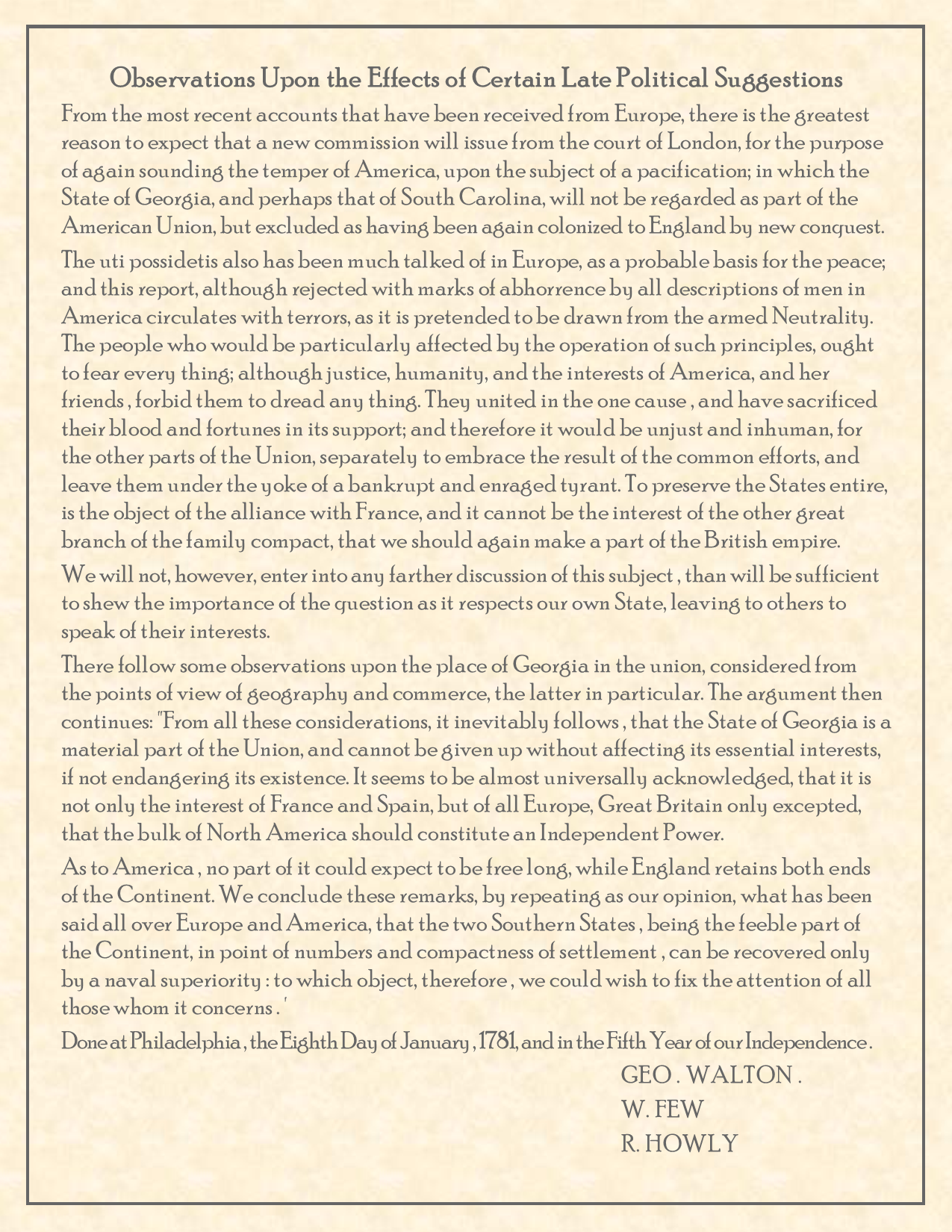
George Walton is in Philadelphia as a delegate to the Congress. Back at home, much of Georgia was in the hands of the British. Walton and the other Georgia delegates, William Few and Richard Howley, are concerned that a potential peace settlement under uti possidetis might leave much of the south in British control. George Walton was likely at work on Observations Upon the Effects of Certain Late Political Suggestions. Soon, the Georgia Delegates would present the paper arguing that all the states had joined the war together and that none should be left under British control.